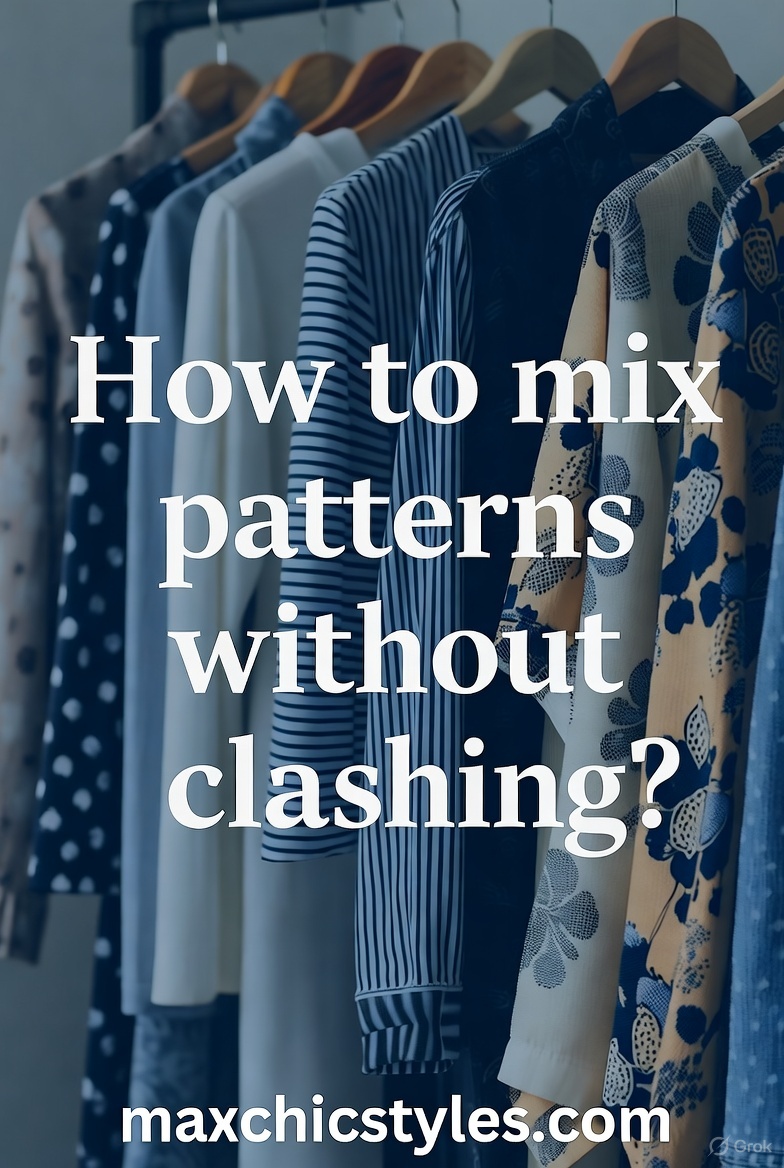
Mastering the Art of Pattern Mixing
Mixing patterns in your outfit can create dynamic, eye-catching styles that express creativity and confidence. However, successfully combining prints without clashing requires a thoughtful approach. When done right, pattern mixing elevates your look with depth, balance, and personality, allowing you to break from all-over solids and embrace a playful, stylish wardrobe.
Why Mixing Patterns Can Be Challenging
Patterns can easily feel overwhelming or chaotic if colors, scales, or textures don’t harmonize. Clashing happens when prints compete for attention without cohesion. But blending patterns with balance and an underlying strategy creates fresh, fashion-forward outfits that feel curated rather than accidental.
Key Principles for Mixing Patterns
1. Keep a Common Color Family
Select patterns that share one or more colors, anchoring your outfit visually. For example, pairing a navy floral print with a navy-and-white stripe creates unity through color even if the designs differ. Sticking within similar color temperatures—warm or cool—helps maintain harmony.
2. Vary the Scale of Prints
Mix large patterns with smaller ones. A big floral print works well with a subtle polka dot or fine stripe. Avoid combining equally bold prints at the same scale, which tends to create visual noise. Variation balances your look and guides the eye smoothly.
3. Use Patterns that Reference Each Other
Look for patterns that connect through shapes or motifs. Animal prints like cheetah and leopard are different but belong to the same ‘category,’ making them easier to pair. Plaid and stripes can complement each other if they share tonal qualities or line direction.
4. Anchor With a Solid Color Piece
Introduce a solid piece—such as a blazer, skirt, or shoes—to ground the mixed patterns and avoid an overwhelming ensemble. Solids provide a rest point for the eye and prevent the outfit from appearing cluttered.
5. Incorporate Neutral Patterns
Use stripes, polka dots, or animal prints in neutral colors as pattern “neutrals” that pair well with bolder or more complex prints. These classic patterns can serve almost like solid colors but add subtle interest.
6. Mind the Texture
Patterns can also be textured fabrics. Pairing a patterned fabric with a textured solid creates visual layering and sophistication without clashing. For example, a lace floral top with pinstriped trousers balances pattern and texture beautifully.
Chart: Pattern Mixing Combinations and Tips
| Pattern Combo | Color Strategy | Styling Tip |
|---|---|---|
| Large Floral + Small Polka Dot | Match one color from floral in the polka dots | Keep accessories neutral to focus on prints |
| Striped Shirt + Animal Print Skirt | Use monochromatic or complementary color scheme | Wear solid shoes and minimal jewelry |
| Plaid Jacket + Floral Dress | Stick to muted or similar tones for both prints | Use a solid belt or bag to break the prints |
| Polka Dot Blouse + Geometric Pants | Pick accent colors to repeat in both patterns | Layer with a solid neutral cardigan or blazer |
| Animal Print Scarf + Checked Coat | Opt for neutral tones to balance prints | Keep rest of outfit in solids and simples cuts |
Step-by-Step Guide to Mixing Patterns
Step 1: Start Small
Begin with a statement accessory like a patterned scarf or bag paired with one patterned clothing piece. This creates interest without overwhelming the eye.
Step 2: Build on a Shared Color
Pull colors from your first pattern and find a second piece that repeats one or two of those hues in a different print or scale.
Step 3: Balance Busy Prints with Simplicity
Incorporate solids or low-contrast textures to balance bold or multiple patterns. For example, pair a printed shirt and skirt with a solid-colored blazer or shoes.
Step 4: Play with Proportions
Mix fitted patterned pieces with loose or flowing ones to balance the outfit’s silhouette while mixing prints.
Step 5: Add Neutrals or Classic Patterns
Stripes, polka dots, or animal prints in neutral tones can serve as pattern “anchors” that smooth mix-and-match transitions.
Step 6: Experiment and Adjust
Try your outfit on and adjust if something feels too busy or conflicting. Sometimes switching one print for a smaller-scale version or changing a piece to a solid creates instant harmony.
Common Mistakes to Avoid
- Too Many Competing Colors: Avoid mixing prints that each have bold, contrasting color schemes unless you’re confident in high-fashion risk-taking.
- Similar Scale Prints: Prints of the same size and scale clash instead of complementing each other.
- No Solid Anchor: Failing to introduce solid or neutral pieces can make an outfit feel chaotic.
- Ignoring Texture: Pairing too many busy prints with highly textured fabrics can overwhelm without balance.
Examples of Successful Pattern Mixing
- Leopard print blouse + black-and-white striped pencil skirt + red pumps (shared black, white, and red colors).
- Navy plaid blazer + floral dress with blue undertones + nude flats (muted colors and varied scales balance vibrancy).
- Small polka dot shirt + bold geometric print trousers + simple black loafers (prints differ significantly in scale and shape).
- Subtle animal print scarf + striped cream sweater + denim jeans (texture and small accents add interest).
Frequently Asked Questions (FAQs)
- Can beginners mix patterns easily? Start with one printed piece combined with solids or a small-patterned accessory to build confidence.
- Does mixing patterns require matching colors exactly? Not exactly—but keeping colors complementary or in the same palette makes mixing smoother.
- What prints are easiest to mix? Stripes, polka dots, plaids, and animal prints are versatile and usually work well as pattern neutrals.
- Is there a limit to how many patterns to wear? Two to three different patterns per outfit is a good guideline for balance.
- What if I want to mix textures too? Combine patterned fabrics with solids or textured pieces like knits or leather for an elevated look.
- How can I mix patterns and still look professional? Choose subtle pattern sizes, muted color schemes, and ground with solid pieces like blazers or trousers.
- Are bold clashing patterns always bad? Not if styled intentionally—high-fashion and editorial looks play with clashing as artistic statements.
- How to mix patterns if I’m short or petite? Use more subtle or smaller prints and avoid oversized patterns that might overwhelm your frame.
- Any tips for pattern mixing during different seasons? Lighter prints and colors work well in warm months; deeper, denser patterns and textures suit cooler seasons.
- Can animals prints be mixed with florals? Yes! They share natural inspiration and can be paired effectively when balanced by colors and scale.
Conclusion: Confident Creativity Through Pattern Mixing
Mixing patterns without clashing is an exciting way to express your unique style and versatility. By leveraging common colors, contrasting scales, pattern referencing, and grounding solids, you can create harmonious, compelling outfits that make a statement while looking effortlessly coordinated. This skill takes practice but rewards you with an enriched and visually dynamic wardrobe.